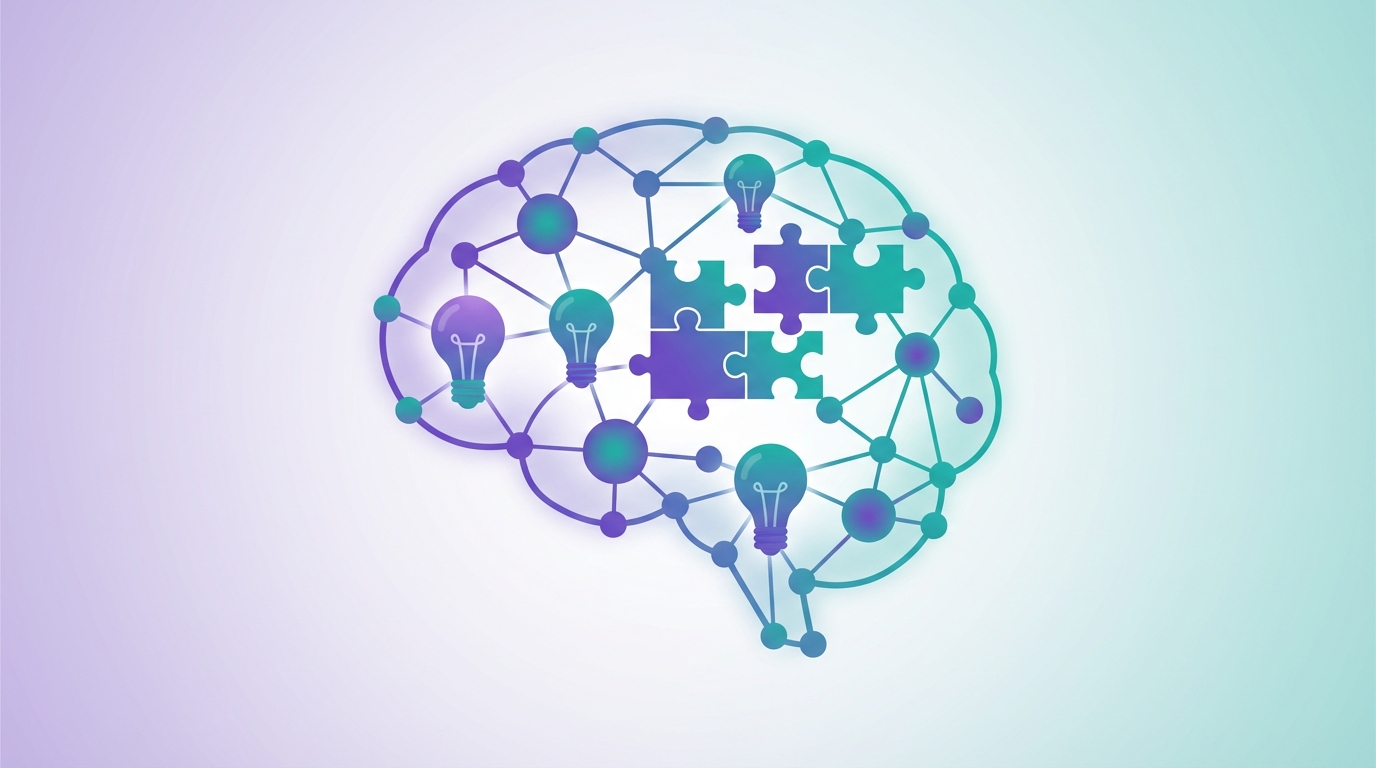
For decades, scientists believed the adult brain was fixed—unable to grow new neurons or form new connections. We now know this is wrong. Neuroplasticity—the brain's ability to reorganize itself—continues throughout life. This has profound implications for learning, recovery, and cognitive enhancement.
Train Your Brain
Put neuroplasticity to work with our scientifically-designed brain training games.
Explore Brain Games →What is Neuroplasticity?
Neuroplasticity (also called brain plasticity) is the brain's ability to modify its structure and function in response to experience. It encompasses:
- Structural plasticity: Physical changes in brain structure—new neurons, new connections
- Functional plasticity: Changes in how brain regions communicate and process information
Key Discoveries
London taxi drivers: Studies found that London cabbies have enlarged hippocampi (memory centers) compared to bus drivers who follow fixed routes.
Musicians: Professional musicians show structural differences in areas controlling motor skills and auditory processing.
How Neuroplasticity Works
Synaptic Plasticity
Connections between neurons can strengthen or weaken based on activity. "Neurons that fire together, wire together."
Neurogenesis
New neurons are generated in certain brain regions, particularly the hippocampus (memory).
Factors That Enhance Plasticity
- Focused attention and engagement
- Novelty and challenge
- Emotional engagement
- Quality sleep
Training Memory
Working Memory Training
Activities that challenge working memory include:
- Memory games (like our Memory Matrix)
- Mental arithmetic
- Remembering sequences
Mnemonic Techniques
- Method of loci: Associate items with locations in a familiar place
- Chunking: Group information into meaningful clusters
- Spaced repetition: Review material at increasing intervals
Training Focus and Attention
Mindfulness Meditation
Regular meditation practice has been shown to:
- Increase gray matter in attention-related regions
- Improve sustained attention
- Reduce mind-wandering
Attention Training Games
- Visual search tasks
- Stroop tasks (like our Stroop Challenge)
- Reaction time games (like Reaction Timer)
Lifestyle Factors for Brain Health
Exercise
Physical exercise is perhaps the single best thing for your brain:
- Increases BDNF (brain-derived neurotrophic factor)
- Improves blood flow to the brain
- Reduces inflammation
Sleep
Sleep is essential for brain health:
- Consolidates learning and memory
- Clears brain waste products
- Allows structural brain changes
Nutrition
- Omega-3 fatty acids: Found in fatty fish
- Antioxidants: Found in berries, dark chocolate
- Hydration: Even mild dehydration impairs cognition
Social Connection
Social engagement protects brain health through complex social interactions that challenge the brain.
Ready to Exercise Your Brain?
Our cognitive games target memory, processing speed, attention, and problem-solving.
Play Brain Games →Brain Training Myths
Myth 1: We Only Use 10% of Our Brain
Reality: We use all of our brain. Different regions are active at different times.
Myth 2: Brain Training Apps Make You Smarter
Reality: Commercial brain training apps improve performance on the specific games, but transfer to real-world abilities is limited. They're best as one component of overall brain health.
Myth 3: The Adult Brain Can't Change
Reality: The adult brain retains significant plasticity and can still form new connections and learn new skills.
Evidence-Based Brain Training
What actually works for cognitive improvement:
- Physical exercise - Most consistently supported by research
- Learning new complex skills - Languages, instruments, challenging hobbies
- Mindfulness meditation - Improves attention
- Quality sleep - Essential for consolidation
- Social engagement - Protects against decline
Start Training Your Brain
Our games are designed to challenge memory, attention, speed, and problem-solving.
Explore Brain Games →Conclusion
Neuroplasticity is one of the most empowering discoveries in neuroscience. It means your brain isn't fixed—it's constantly being shaped by your experiences, habits, and environment.
The combination of physical exercise, quality sleep, continuous learning, and cognitive challenge can maintain and improve brain function. Understanding your personality type and emotional intelligence helps you understand how you learn best.
The brain you have today is not the brain you're stuck with. Start investing in your cognitive health.
Train Your Brain Daily
Challenge your cognitive abilities with our scientifically-designed brain games
Start Training →