Why do some people crave closeness while others need space? Why do some worry constantly about relationships while others seem emotionally unavailable? Attachment theory explains these patterns—and offers a path to healthier connections. Your attachment style, largely formed in childhood, profoundly influences your adult relationships.
What's Your Attachment Style?
Discover your attachment pattern with our comprehensive assessment.
Take the Attachment Quiz →What is Attachment Theory?
Attachment theory was developed by British psychiatrist John Bowlby and later expanded by American psychologist Mary Ainsworth. Through observing how infants interact with their caregivers, they discovered patterns that predict relationship behavior throughout life.
The core insight: the way your caregivers responded to your needs as an infant creates a template for how you expect relationships to work. If your needs were consistently met, you learned that others are reliable. If they weren't, you developed strategies to cope with inconsistency or neglect.
These early patterns become what psychologists call your "internal working model" of relationships—unconscious expectations that shape how you:
- Approach intimacy and closeness
- Handle conflict and separation
- Communicate needs and emotions
- Trust or distrust partners
- Respond to stress in relationships
The good news? While attachment patterns are deeply ingrained, they're not unchangeable. With awareness and effort, you can develop what researchers call "earned secure attachment."
The Four Attachment Styles
Researchers have identified four main attachment styles in adults:
Secure
Comfortable with intimacy and independence. ~50% of population.
Anxious (Preoccupied)
Craves closeness, fears abandonment. ~20% of population.
Avoidant (Dismissive)
Values independence, uncomfortable with closeness. ~25% of population.
Disorganized (Fearful)
Wants closeness but fears it. ~5% of population.
Secure Attachment
Securely attached people had caregivers who were consistently responsive and attuned to their needs. They learned that it's safe to depend on others, that their needs matter, and that relationships are sources of comfort.
Characteristics of Secure Attachment
- Comfortable with both intimacy and independence
- Can communicate needs directly without excessive anxiety
- Trust partners and give them benefit of the doubt
- Regulate emotions effectively during conflict
- View relationships as generally positive
- Can be supportive without losing themselves
- Recover well from relationship disappointments
In Relationships
Secure partners create stability. They don't play games, communicate openly, and can handle their partner's emotions without becoming overwhelmed or withdrawing. They're comfortable saying "I need you" and equally comfortable saying "I need some space."
Origins
Typically developed when caregivers were consistently available, responsive to distress, and helped the child feel safe exploring the world—knowing they had a secure base to return to.
Anxious (Preoccupied) Attachment
Anxiously attached people experienced inconsistent caregiving—sometimes responsive, sometimes not. This created uncertainty about whether their needs would be met, leading to hypervigilance about relationship security.
Characteristics of Anxious Attachment
- Crave closeness and reassurance
- Fear abandonment and rejection
- Hyperaware of partner's moods and behaviors
- May interpret neutral events negatively
- Struggle with self-worth tied to relationships
- Can become preoccupied with relationship concerns
- Heightened emotional reactivity
In Relationships
Anxious partners often worry their partner doesn't love them enough. They may seek frequent reassurance, struggle with jealousy, and have difficulty giving space. They feel most secure when they have lots of contact and confirmation of love. When triggered, they may protest through anger, tears, or pursuit.
Origins
Often developed when caregivers were unpredictable—sometimes loving and available, other times distracted, dismissive, or overwhelming. The child learned they had to work hard to get attention.
Growth Path
Developing self-soothing skills, building identity outside relationships, and learning to trust without constant proof. Working on emotional intelligence is particularly helpful.
Avoidant (Dismissive) Attachment
Avoidantly attached people learned early that depending on others leads to disappointment. Their caregivers were emotionally unavailable, rejecting, or dismissive of their needs. They adapted by suppressing attachment needs and becoming fiercely self-reliant.
Characteristics of Avoidant Attachment
- Highly value independence and self-sufficiency
- Uncomfortable with too much closeness
- May minimize the importance of relationships
- Suppress emotions and keep partners at arm's length
- Uncomfortable with partner's emotional needs
- May "check out" during conflict or withdraw
- Pride themselves on not needing others
In Relationships
Avoidant partners can seem emotionally distant or detached. They may pull away when things get too intimate, create distance during conflict, and struggle to express feelings. They often feel "suffocated" by partners' needs for closeness and may unconsciously choose unavailable partners to avoid true intimacy.
Origins
Often developed when caregivers were consistently unavailable, dismissive of emotions, or even rejecting. The child learned to suppress needs and emotions because expressing them didn't help—and might make things worse.
Growth Path
Learning to recognize and express emotions, understanding that interdependence isn't weakness, and gradually tolerating more intimacy. Understanding their personality type can help distinguish temperament from avoidance.
Disorganized (Fearful-Avoidant) Attachment
Disorganized attachment is the most complex and challenging pattern. It develops when the caregiver was both a source of comfort and a source of fear—often in cases of abuse, severe neglect, or parental mental illness.
Characteristics of Disorganized Attachment
- Both want and fear intimacy
- Push-pull pattern: draw close then pull away
- Struggle to regulate emotions
- May have negative views of self AND others
- Can seem unpredictable in relationships
- May dissociate during conflict or stress
- Often experienced trauma or loss
In Relationships
Disorganized partners may cycle between anxious and avoidant behaviors. They might pursue a partner intensely, then suddenly withdraw. They fear abandonment AND engulfment. Relationships feel necessary but dangerous. This pattern is sometimes associated with dark personality traits or trauma responses.
Origins
Typically develops when the attachment figure was frightening, abusive, or severely neglectful. The child faced an impossible situation: their source of safety was also their source of fear.
Growth Path
Professional support is often essential. Trauma-informed therapy, developing emotional regulation skills, and very gradually learning to trust safe people. Healing is possible but typically requires more intensive work.
When Different Styles Meet
Understanding how different attachment styles interact can explain many relationship patterns:
Anxious + Avoidant (The Anxious-Avoidant Trap)
This is the most common insecure pairing—and the most volatile. The anxious partner pursues, seeking reassurance. The avoidant partner withdraws, needing space. This triggers more anxiety and more pursuit, which triggers more withdrawal... creating a painful cycle.
Breaking the cycle: The anxious partner must learn to self-soothe and give space. The avoidant partner must learn to stay engaged and provide reassurance. Both benefit from understanding their patterns and communicating openly.
Secure + Insecure
A secure partner can help an insecure partner become more secure over time—this is called the "buffer effect." The secure partner provides consistent responsiveness that gradually rewires the insecure partner's expectations.
Anxious + Anxious
Can be intensely passionate but may lack stability. Both partners seek reassurance but may struggle to provide it consistently.
Avoidant + Avoidant
May seem stable but lacks depth. Both partners are comfortable with distance, which can prevent intimacy from developing.
Want to Break Your Attachment Patterns?
Understanding your attachment style is the first step toward healthier relationships.
Discover Your Style →Moving Toward Secure Attachment
The most important insight from attachment research: you can develop secure attachment at any age. This is called "earned security," and it's just as protective as security developed in childhood.
Step 1: Understand Your Pattern
Awareness is the first step. Take an assessment, reflect on your relationship history, and identify your tendencies. Notice your triggers and automatic responses.
Step 2: Understand Your Origins
Explore your early attachment experiences. What did you learn about relationships from your caregivers? This isn't about blame—it's about understanding why you developed your pattern.
Step 3: Challenge Your Working Model
Your expectations about relationships were formed when you were powerless. As an adult, you can question them. Not everyone will abandon you. Needing people isn't weakness. Intimacy doesn't have to be dangerous.
Step 4: Practice New Behaviors
Security develops through experience. Practice expressing needs, tolerating closeness, giving space, staying present during conflict. Start small and build gradually.
Step 5: Choose Healthy Partners
Insecure patterns often lead us toward partners who reinforce our fears. Consciously choosing secure, consistent partners accelerates healing—even if they feel "boring" at first.
Step 6: Consider Therapy
Attachment-focused therapy can accelerate progress dramatically. A therapist provides a secure relationship in which to practice new patterns.
Attachment and Other Frameworks
Attachment style interacts with other aspects of your psychology:
- Personality type affects how your attachment style is expressed
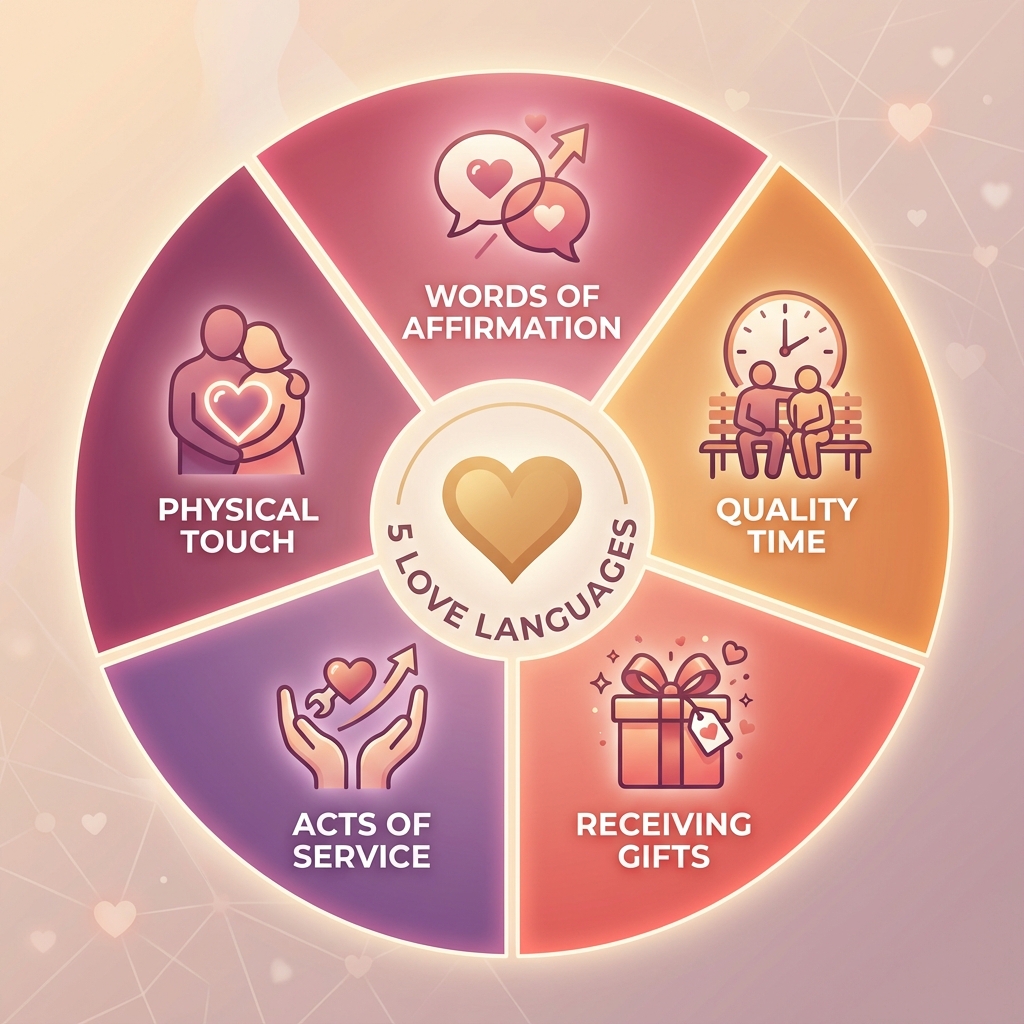
- Love languages often connect to attachment needs
- Emotional intelligence can moderate insecure patterns
- Big Five traits like neuroticism correlate with anxious attachment
Conclusion
Your attachment style isn't your destiny—it's your starting point. Understanding your pattern is the first step toward healthier relationships. Whether you're secure, anxious, avoidant, or disorganized, growth is possible.
The goal isn't to become perfectly secure overnight. It's to become more aware of your patterns, more intentional in your choices, and more capable of building the connections you deserve.
Discover Your Attachment Style
Take our comprehensive assessment and understand your relationship patterns
Take the Free Quiz →