The introvert-extrovert spectrum is one of the most misunderstood aspects of personality. It's not about being shy versus outgoing—it's about how your brain processes stimulation and where you get your energy. In this comprehensive guide, we'll explore the neuroscience behind these traits and help you understand where you fall on the spectrum.
Where Do You Fall?
Discover your position on the introversion-extraversion spectrum with our validated assessment.
Take the Personality Test →What Introversion and Extraversion Really Mean
Swiss psychiatrist Carl Jung first introduced these concepts in 1921, describing them as fundamental orientations of personality. However, popular culture has distorted their meanings significantly.
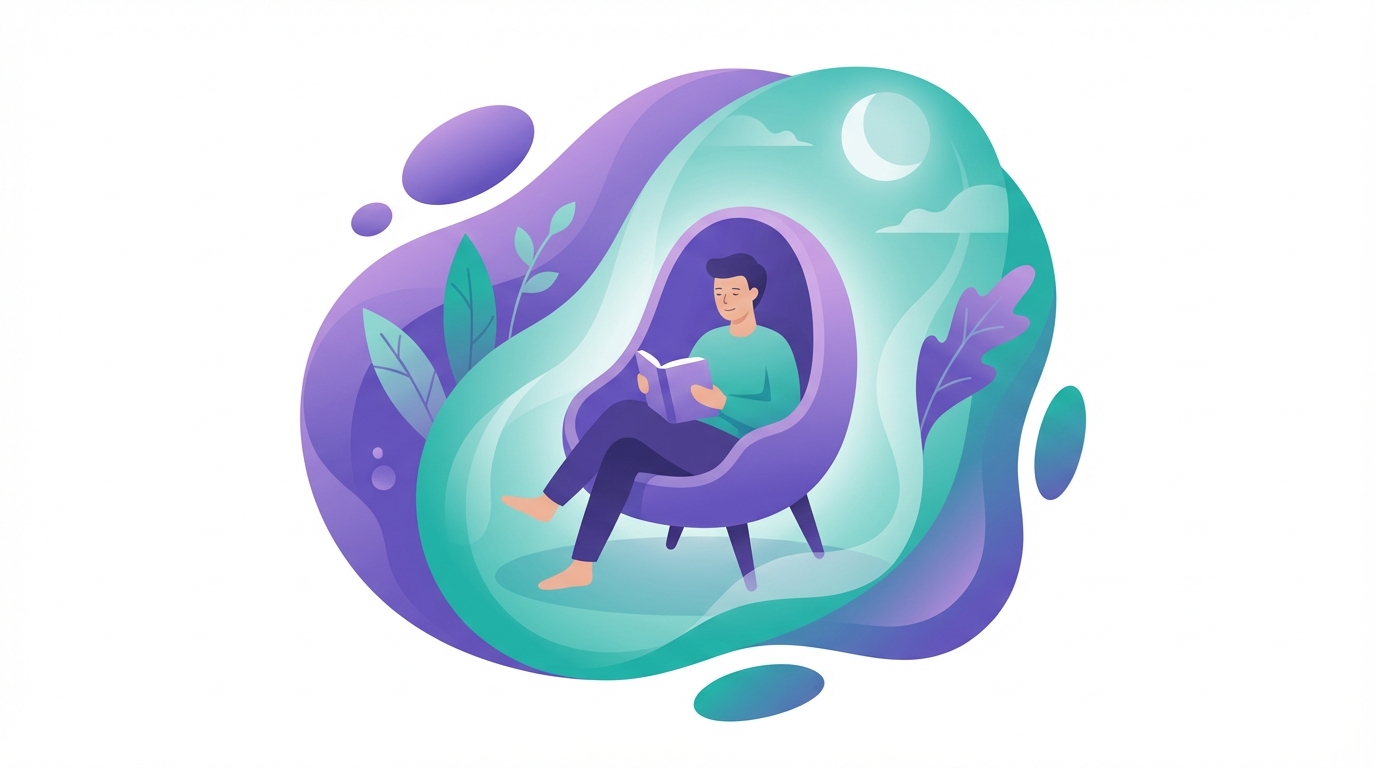
Introversion is not shyness, social anxiety, or being antisocial. True introversion means that you:
- Recharge your energy through solitude and reflection
- Feel drained after extended social interaction (even enjoyable ones)
- Prefer depth over breadth in relationships
- Process information internally before responding
- Feel comfortable with your own thoughts and inner world
Extraversion is not just being loud or attention-seeking. True extraversion means that you:
- Gain energy from external stimulation and social interaction
- Feel restless or bored when alone for too long
- Enjoy meeting new people and having many acquaintances
- Think out loud and process information externally
- Seek variety and action in your environment
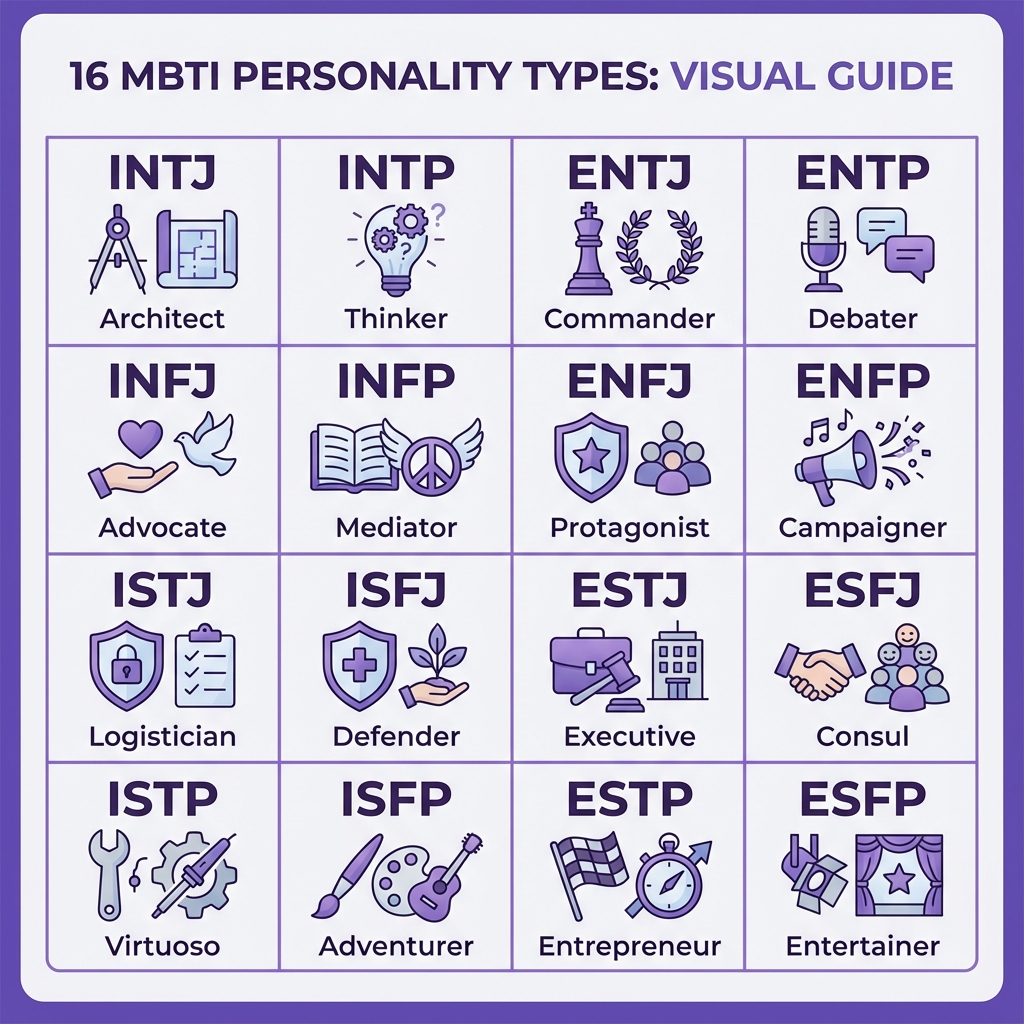
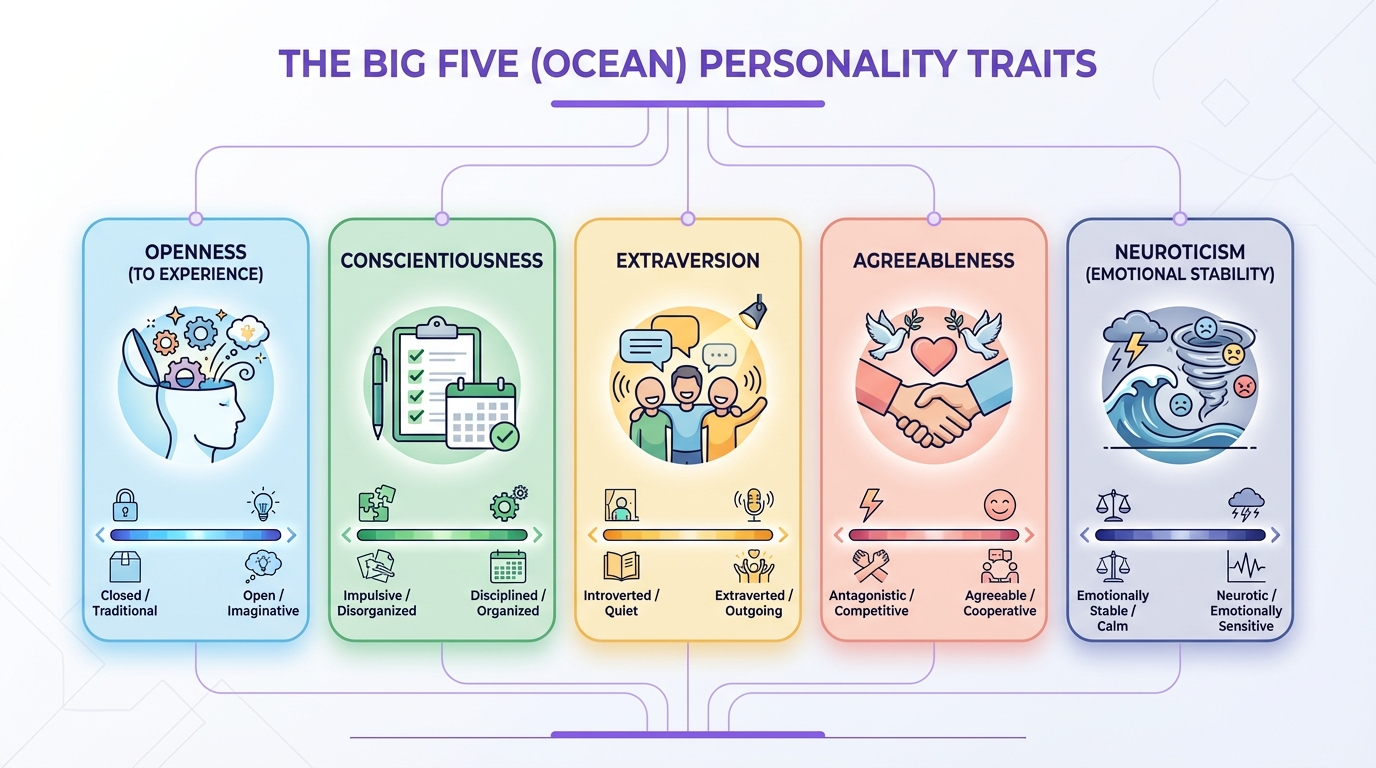
These traits exist on a spectrum, and most people fall somewhere in the middle. Understanding where you land can dramatically improve your self-awareness and relationships. It's also closely linked to your broader personality type.
The Neuroscience of Social Energy
The difference between introverts and extroverts isn't just psychological—it's neurological. Research has revealed fascinating brain differences that explain these distinct energy patterns.
Dopamine Sensitivity
One of the most significant findings involves dopamine, the neurotransmitter associated with reward and pleasure. Research by Dr. Colin DeYoung at the University of Minnesota found that:
- Extroverts have more active dopamine reward networks and require more stimulation to feel satisfied
- Introverts have higher dopamine sensitivity, meaning they need less stimulation to feel rewarded—and can become overstimulated more easily
This explains why extroverts seek out exciting environments while introverts prefer calmer settings. It's not that introverts don't like fun—they simply have a lower threshold for optimal stimulation.
The Acetylcholine Pathway
Introverts tend to rely more heavily on the acetylcholine pathway, which is associated with:
- Pleasure from deep thinking and internal reflection
- Long-term memory and learning
- A calm, alert state of focus
This neurotransmitter system rewards introverts for inward-focused activities like reading, contemplating, or creative work—explaining their preference for solitary pursuits.
Brain Blood Flow Patterns
Studies using PET scans have shown different patterns of blood flow in introvert and extrovert brains:
- Introverts show more blood flow to areas involved in internal processing: planning, problem-solving, and remembering
- Extroverts show more blood flow to areas involved in sensory processing: what they see, hear, and touch
This suggests that introverts are literally more "in their heads," while extroverts are more tuned into the external environment.
Curious About Your Social Energy?
Our personality assessment reveals where you fall on the introversion-extraversion spectrum and how it affects your life.
Take the Free Test →Debunking Common Myths
Myth 1: Introverts Don't Like People
Reality: Introverts value relationships deeply—often more deeply than extroverts. They simply prefer fewer, closer relationships over many superficial ones. An introvert might have three best friends they'd do anything for, rather than 50 casual acquaintances.
Myth 2: Extroverts Are Always Confident
Reality: Extraversion and confidence are separate traits. Many extroverts struggle with self-doubt and insecurity; they just process these feelings externally. Similarly, many introverts are quietly confident in their abilities.
Myth 3: Introverts Make Poor Leaders
Reality: Research by Adam Grant at Wharton found that introverted leaders often outperform extroverted ones, especially when leading proactive teams. Introverted leaders excel at listening, strategic thinking, and empowering others. Famous introverted leaders include Bill Gates, Warren Buffett, and Abraham Lincoln.
Myth 4: You're Either One or the Other
Reality: Introversion and extraversion exist on a spectrum. Many people fall near the middle and display characteristics of both, depending on the situation. These people are often called ambiverts.
Myth 5: Extroverts Have Better Social Skills
Reality: Social skills are learned, not innate. Introverts can develop excellent social skills and often excel at deep conversation, active listening, and reading social cues. Emotional intelligence is independent of where you fall on this spectrum.
The Rise of the Ambivert
If you've always felt like you don't fit neatly into either category, you might be an ambivert. Ambiverts fall near the middle of the introversion-extraversion spectrum and can flex between both modes depending on the situation.
Signs You Might Be an Ambivert
- You enjoy social events but also need alone time to recharge
- You can engage in small talk but prefer meaningful conversations
- You're neither the life of the party nor a wallflower
- Your energy level depends on who you're with and what you're doing
- People describe you differently—some say you're outgoing, others say you're reserved
The Ambivert Advantage
Research suggests ambiverts may have certain advantages in some contexts. A study by Adam Grant found that ambivert salespeople outperformed both strong introverts and strong extroverts, generating 24% more revenue than extroverts and 32% more than introverts. Their ability to balance talking and listening made them more effective.
Thriving as an Introvert or Extrovert
For Introverts
Honor your need for solitude: Don't feel guilty about needing alone time. Schedule it proactively rather than waiting until you're depleted.
Prepare for social situations: Having conversation topics ready can reduce anxiety. Know your "escape plan" so you can leave when needed without stress.
Choose quality over quantity: Focus on deepening a few key relationships rather than maintaining many surface-level connections.
Leverage your strengths: Introverts excel at deep work, written communication, one-on-one relationships, and thoughtful analysis. Structure your life to maximize these advantages.
Communicate your needs: Help others understand that your need for solitude isn't rejection—it's essential self-care.
For Extroverts
Build variety into your routine: Avoid long stretches of solitary work. Build in social breaks, walking meetings, or collaborative sessions.
Develop your listening skills: Practice asking questions and waiting for complete answers. Your introverted colleagues and friends will appreciate it.
Create meaningful connections: Challenge yourself to go deeper in some relationships rather than always expanding your network.
Learn to be alone: Developing comfort with solitude can enhance creativity and self-awareness. Start with short periods and gradually extend them.
Be mindful of dominating conversations: Leave space for others to contribute, especially quieter voices.
Introvert-Extrovert Relationships
Some of the most successful relationships pair introverts with extroverts, as each partner brings complementary strengths. However, these relationships require understanding and compromise.
Making It Work
For the extrovert partner:
- Don't take your partner's need for alone time personally
- Give advance notice about social plans
- Sometimes go to events solo so your partner can recharge
- Create space for quiet activities together
For the introvert partner:
- Make an effort to engage in your partner's social world sometimes
- Communicate clearly when you need alone time (before you're depleted)
- Appreciate that your partner shows love through social inclusion
- Don't use introversion as an excuse to avoid all social situations
Understanding your love languages and attachment styles can further improve introvert-extrovert relationships.
Introversion and Extraversion at Work
Modern workplaces often favor extroversion, with open offices, brainstorming sessions, and collaborative cultures. However, both styles bring valuable contributions.
What Introverts Bring to Work
- Deep focus and concentration
- Thoughtful, well-prepared contributions
- Strong written communication
- Careful listening and observation
- Independent problem-solving
What Extroverts Bring to Work
- Energy and enthusiasm
- Quick thinking and adaptability
- Strong verbal communication and presentation skills
- Networking and relationship building
- Team energizing and motivation
Creating an Inclusive Workplace
The best workplaces accommodate both styles:
- Offer quiet spaces for focused work alongside collaborative areas
- Allow time for reflection before meetings
- Use written communication for important decisions
- Value both speaking up and listening carefully
- Don't equate visibility with value
Frequently Asked Questions
Can an introvert become an extrovert?
Your baseline temperament is relatively stable, but you can develop skills and comfort in areas outside your natural preference. An introvert can learn to enjoy networking and give great presentations—it just requires more energy and preparation than it would for an extrovert.
Is introversion related to social anxiety?
No, they're different things. Introversion is a preference for lower stimulation; social anxiety is fear of social situations. An introvert might choose to skip a party to read, feeling perfectly content. Someone with social anxiety might desperately want to go but feel too anxious.
Are introverts smarter than extroverts?
Intelligence is not correlated with introversion or extraversion. Both types include people across the full range of intelligence. Introverts may appear more thoughtful because they process internally, but this reflects style, not ability.
Do introverts or extroverts make better leaders?
Both can be excellent leaders, but in different ways. Introverted leaders excel with proactive teams that need empowerment. Extroverted leaders excel with passive teams that need motivation. The best leaders adapt their style to their team's needs.
Conclusion
Understanding where you fall on the introversion-extraversion spectrum is crucial for self-acceptance and designing a life that works for you. Neither trait is superior—they're simply different ways of engaging with the world.
The goal isn't to change your fundamental nature but to understand it, work with it, and develop flexibility when situations demand it. Whether you're a deep-thinking introvert or an energetic extrovert, embracing your authentic self is the key to fulfillment.
Discover Your Personality Type
Our comprehensive assessment reveals your full personality profile, including your position on the introversion-extraversion spectrum
Take the Free Test →